Health and Safety Policy for Landscaping Harlesden
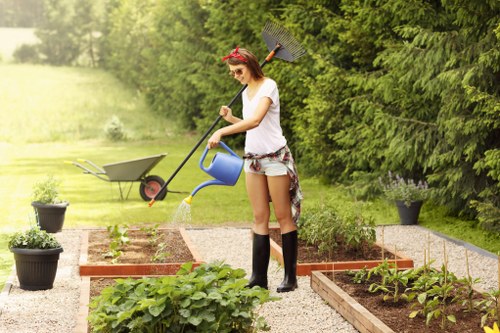 Landscaping Harlesden requires a clear, practical approach to health and safety so that outdoor work is completed efficiently and with reduced risk. This policy sets out the standards expected from everyone involved in garden maintenance, planting, turf care, clearance, pruning, paving support, and general site preparation. It applies to routine tasks and larger projects alike, helping ensure that work is carried out with care, professionalism, and consistent attention to risk control.
The purpose of this policy is to protect workers, residents, visitors, and any other people who may be affected by landscaping activities. Because landscaping often involves moving equipment, using powered tools, handling soil and waste, and working near hard surfaces or uneven ground, hazards can arise quickly if planning is weak. For that reason, landscaping operations should always begin with a basic assessment of the task, the surroundings, and the people involved.
 A safe working environment starts with communication. Everyone on site should understand the nature of the job, the sequence of tasks, and the precautions required. Landscaping Harlesden services must be organised so that hazards are identified before work begins, including trip risks, manual handling issues, weather-related dangers, and the safe storage of materials and tools. Clear instructions help reduce confusion and support a safer pace of work.
Risk assessments should be proportionate to the work being done. For simple maintenance tasks, this may involve checking ground conditions, making sure walkways are clear, and confirming that tools are fit for use. For more complex landscaping projects, the assessment should also consider access routes, overhead obstructions, nearby structures, and the safe movement of vehicles or machinery. Any change in conditions should be reviewed promptly so the plan can be adjusted.
All personnel must use equipment correctly and only for its intended purpose. Tools, machinery, and plant should be inspected before use, maintained in good condition, and taken out of service if damage or faults are found. Personal protective equipment must be selected according to the task, such as gloves, eye protection, hearing protection, safety footwear, or high-visibility clothing where appropriate. Safety in landscaping Harlesden depends on both good equipment and disciplined use.
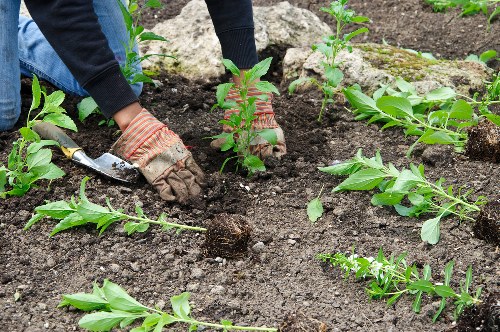 Manual handling is a significant concern in landscaping because workers often lift soil bags, plants, stones, timber, and waste materials. Loads should be broken down where possible, lifting techniques should be sensible, and team lifting should be used for heavy or awkward items. Workers should avoid twisting under load and should plan routes in advance to reduce the need for carrying materials over long distances.
Core Responsibilities
Managers, supervisors, and workers each have responsibilities for keeping the site safe. Supervisors should make sure tasks are planned properly, hazards are discussed, and competent people are assigned to equipment and specialist work. Workers must follow instructions, report concerns promptly, and avoid taking shortcuts. Good housekeeping is essential: waste should be removed regularly, tools should be stored safely, and working areas should remain as clear as possible throughout the day.
Weather conditions can affect almost every part of landscaping. Wet ground can increase slipping risks, strong winds can make lifting and cutting more dangerous, and hot weather can create fatigue or dehydration. Work should be paused or adapted when conditions become unsafe. Suitable breaks, drinking water, and shaded rest where possible can help support wellbeing during longer outdoor tasks.
Protecting the public is also part of the policy. When work is carried out in shared spaces or near access paths, the site should be managed so that pedestrians are kept away from active work areas. Barriers, temporary signs, and careful positioning of tools and materials can help create a safer boundary. Landscaping Harlesden teams should remain alert to children, pets, and other unexpected site users.
Training, Reporting, and Emergency Response
Training is an important foundation for safe landscaping. Workers should receive instruction in the equipment they use, the hazards associated with different tasks, and the correct response to common incidents. Competence should be matched to the work, especially when using cutting tools, mechanical equipment, ladders, or lifting methods that require greater control. Refresher training should be provided when procedures change or risks increase.
Any incident, near miss, injury, or unsafe condition must be reported and recorded so that lessons can be learned. Even minor issues can reveal patterns that need attention, such as poor storage, worn components, or unclear instructions. Reporting should be simple and prompt, with follow-up action taken where needed to prevent recurrence. Landscaping Harlesden health and safety improves when concerns are treated seriously rather than ignored.
 Emergency arrangements should be known before work starts. This includes understanding what to do in case of injury, fire, chemical exposure, severe weather, or equipment failure. First aid supplies should be available where required, and someone on site should know how to raise the alarm and guide emergency response. Paths for exit and access should be kept open so help can reach the scene without delay.
Safe Working Standards
The use of chemicals, fuels, and other materials must be controlled carefully. Products should be stored securely, labelled clearly, and handled according to their instructions. Spills should be cleaned promptly, and waste should be separated and disposed of responsibly. Where dust, noise, or fumes may be created, suitable controls should be used to reduce exposure and protect those nearby. These measures support both worker safety and environmental care.
Before work is finished, the site should be left in a condition that is tidy, stable, and safe for others to use. Tools should be switched off, sharp items secured, and loose materials removed. Paths and work areas should be checked to make sure no hidden hazards remain. This final inspection is a practical step that reflects the wider commitment to safe landscaping practices in Harlesden.
 This policy should be reviewed regularly to make sure it remains effective, relevant, and aligned with the way work is actually carried out. Reviews may be needed after accidents, major changes in equipment, new work methods, or significant seasonal demands. By maintaining high standards and reinforcing responsibility at every level, Landscaping Harlesden can deliver quality outdoor work while protecting people, property, and the working environment.